

Acne, Acne, Acne!
Posted by Beauty Source on May 8th 2019
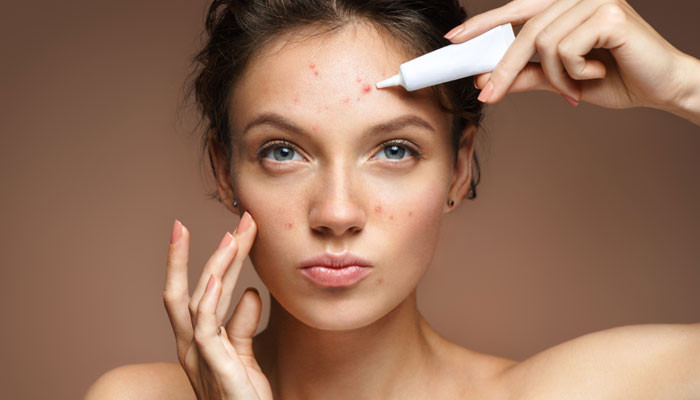
Wondering what the most common skin condition in the United States is? It's acne! It affects 40 to 50 million Americans at any one point in time. Teenagers and young adults are the ones commonly affected, but adults and babies can suffer from them too.
What Causes Acne?
Acne occurs when hair follicles are plugged. Dead skin cells, in combination with oily skin, create an environment where the skin sticks together inside the pores. Instead of flaking off, the dead skin cells get trapped inside, causing breakouts. When bacteria are present in the clogged pores, it results in inflammation, and the formation of cysts and nodules appear.
Types of Acne
There are different forms of acne. They can present themselves as blackheads, whiteheads, papules, pustules, cysts, and nodules.
Treatments for Acne
Fortunately for milder symptoms, there are over the counter treatments. Acne medications work by minimizing sebum production, encouraging cellular turnover, combatting against bacteria, and reducing inflammation. A product containing benzoyl peroxide, salicylic acid, alpha hydroxy acid, and sulfur often clears the skin.
- Benzoyl Peroxide - It kills the bacteria and helps to remove excess oil and pore-clogging dead skin cells.
- Salicylic Acid - Dissolves keratin plugs and regulates the skin cells.
- Alpha Hydroxy Acids - Exfoliates the skin to remove surface cells and encourages the growth of healthier, new skin.
- Sulfur- Combined with the above ingredients, it works by unclogging pores and removing excess sebum.
For more severe and untreatable blemishes with at-home remedies, a visit to the dermatologist can help control your acne, avoid scarring or other damage to your skin, and make scars less visible. The dermatologist will usually treat acne with topical medications, oral medications, or therapies.
Topical Medications
The following are the most commonly prescribed treatments for acne.
- Retinoids and retinoid-like drugs. These treatments are derived from vitamin A. They include tretinoin to prevent the hair follicles from being clogged with surface impurities. They are usually in the form of creams, gels, and lotions.
- Antibiotics. They work by killing bacteria that cause inflammation. Typically antibiotics are used in conjunction with a retinoid to be effective in getting rid of acne.
- Salicylic acid and azelaic acid. Prescription strength azelaic acid containing antibacterial properties are proven effective in treating acne. This is an alternative for patients who are pregnant or nursing. Salicylic acid may help prevent pores from becoming clogged.
- Dapsone. It is recommended for patients with inflamed acne to reduce irritation. It works by decreasing swelling and stopping the growth of bacteria.
Oral Medications
- Antibiotics. For those suffering from severe acne, doctors may prescribe antibiotics to minimize bacteria and inflammation. They are generally taken for a short period to prevent antibiotic resistance. Oral antibiotics are best used with retinoids and benzoyl peroxide for better treatment.
- Combined oral contraceptives. There are four combined oral contraceptives containing estrogen and progestin, which have been approved by the FDA to treat acne in women. Benefits are not immediate, so the use of other alternative treatments are typically considered.
- Anti-androgen agents. If antibiotics do not work for women and adolescent girls, a drug blocking the effects of androgen hormones on the sebaceous glands is an option.
- Isotretinoin. It is a potent drug used to treat those with severe acne that did not positively respond to other treatments. The effectiveness rate of this drug is high, but patients using it are monitored closely because of potential side effects.
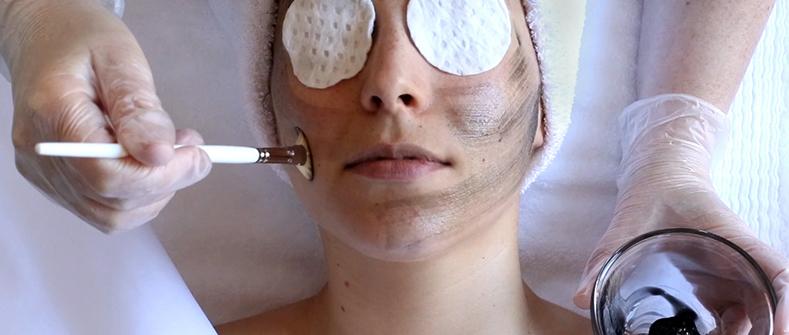
Therapies
These therapies may be preferred in some cases. A dermatologist might use these treatments independently or in conjunction with medications.
- Lasers and photodynamic therapy. Studies show that this type of treatment can reduce acne but does not completely clear it. The dermatologist may recommend other acne treatments in conjunction with therapy.
- Chemical peel. This process uses a chemical solution containing salicylic acid, glycolic acid, or retinoid acid to combat acne. Chemical peels done in series may improve acne and acne scars.
- Extraction of whiteheads and blackheads. For more stubborn acne that does not not clear with topical medication, a dermatologist may use special tools to gently remove whiteheads and blackheads.
- Steroid injection. Painful nodules and cysts can be treated by injecting the blemish with steroids. This procedure will flatten most nodules and cysts within 48 to 72 hours.
|
|
Preventing Acne
Let’s admit it. No one likes acne. There is no foolproof technique to prevent acne entirely. Still, some techniques may lower the risk of blemishes popping up. Below are some tips that might help.
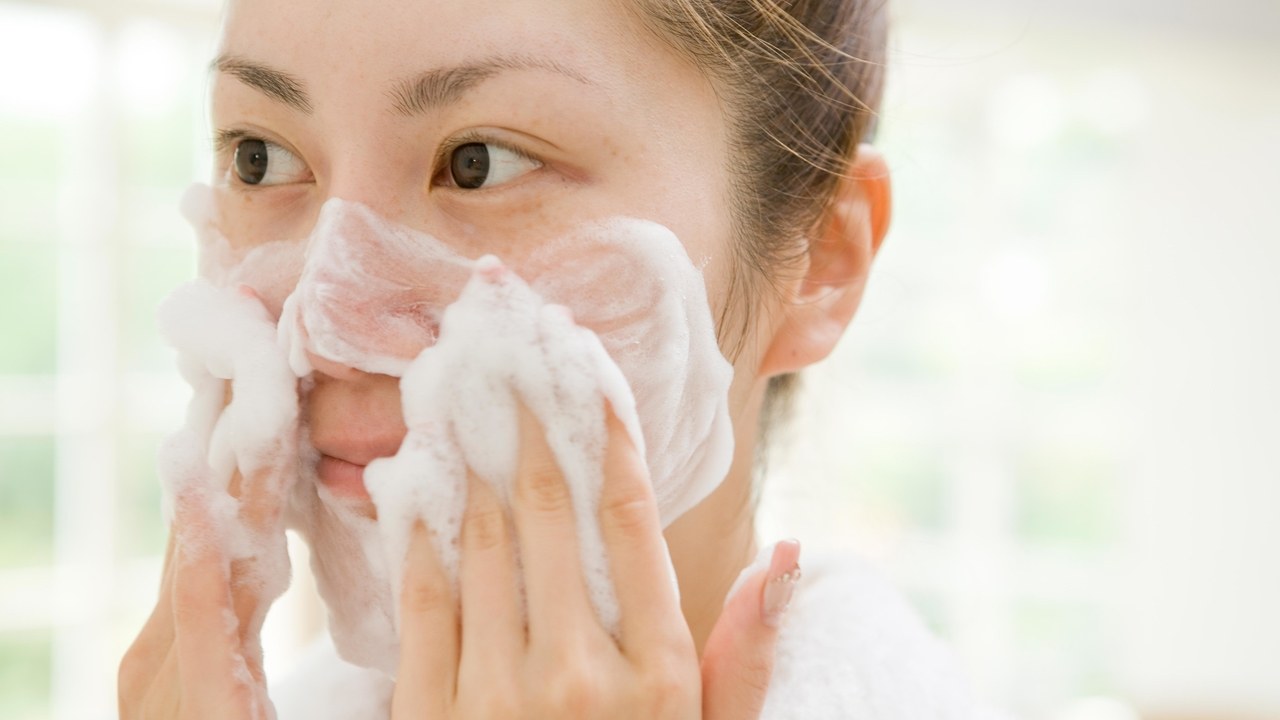
- Wash the face. Cleanse the face twice daily with a non-irritating soap. Harsh products may aggravate the skin and result in worse acne.
- Try over-the-counter products. Use products that contain benzoyl peroxide, salicylic acid, glycolic acid, or alpha hydroxy acids to proactively combat against acne.
- Avoid irritants. Steer away from greasy skin and hair products since excess oil is one of the culprits in blemish breakouts. Sparingly use cosmetics and look for non-comedogenic products that are less prone to cause acne.
- Moisturize. Dry, flakey skin can clog pores, so keeping the skin hydrated may minimize acne breakouts. Non-greasy moisturizers are ideal.
- Keep your hands off your face. Hands are often full of bacteria and impurities. Keeping them clear of your face will likely reduce the possibility of pimples and inflammation.
- Stay out of the sun. Protecting the skin from the sun helps reduce inflammation, redness, and irritation. Use non-comedogenic sunscreen with zinc oxide and higher SPF.
- Watch what you eat. Milk has been related to a higher risk of acne, while fresh fruits, vegetables, and whole grains are beneficial for acne.
- Avoid stress. Although stress alone does not cause blemishes, some research has connected the stress level with the severity of acne.