

Botox Facts
Posted by Beauty Source on Jun 4th 2019
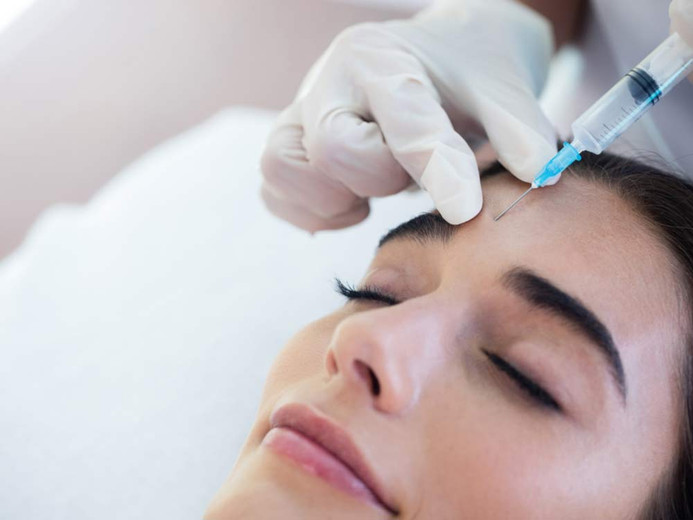
Botox has been around for decades. It was originally used to treat eye muscle spasms. It wasn’t until two decades after the first use that it started showing up in the cosmetic industry. With the population desiring to look younger, Botox has become the most popular non-surgical cosmetic treatment. It works, and there is little or no recovery time.
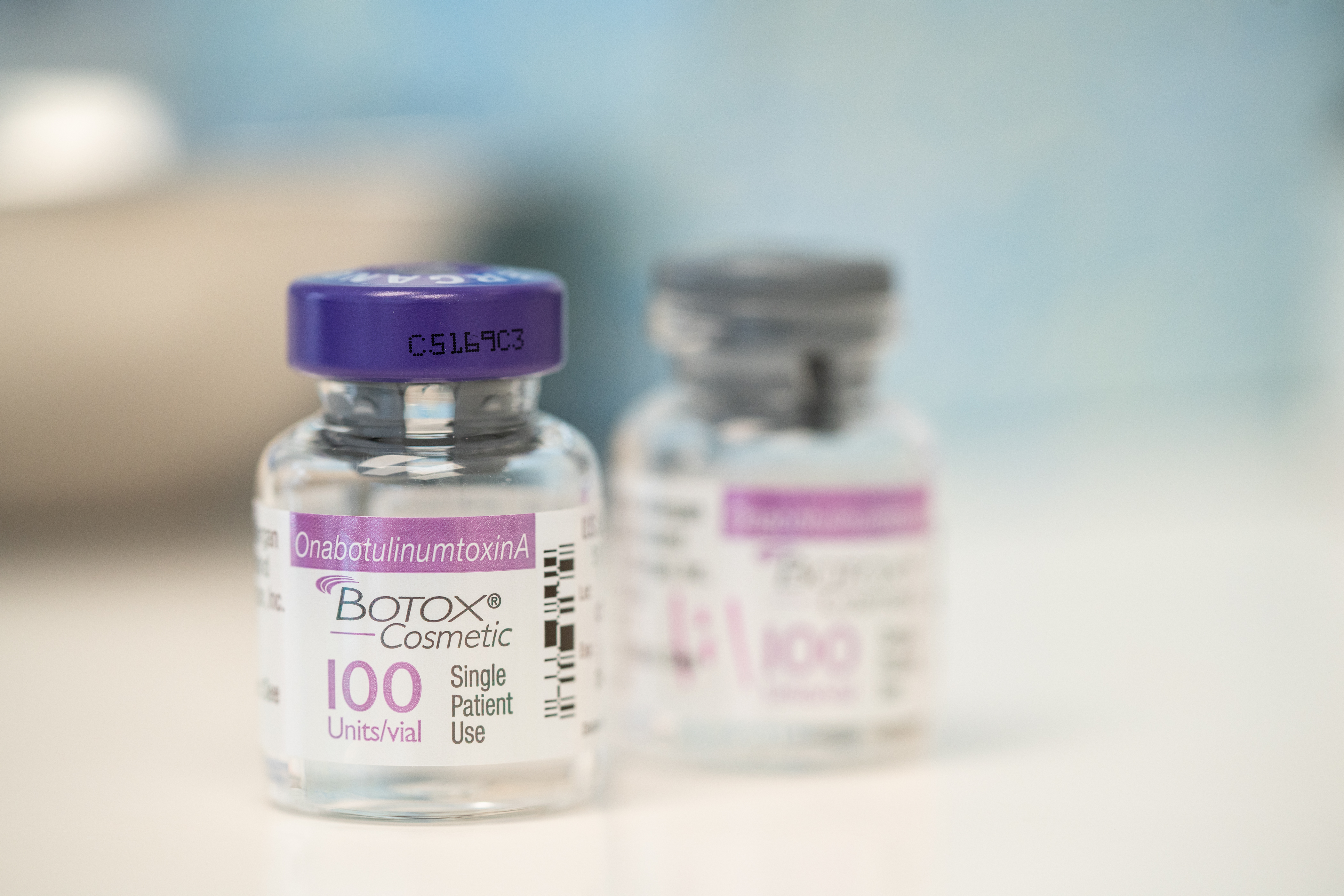
What is Botox?
Botox is a drug derived from Clostridium botulinum, the same bacterium that causes botulism, a life-threatening type of food poisoning. It can also be found in soil, lakes, forests, intestinal tracts of mammals or fish, and organs of crabs and other shellfish. It only becomes harmful when the bacteria produce a deadly neurotoxin. Neurotoxins attack the nervous system and prevent the neurons from functioning correctly, causing paralysis. Scientists say the botulin toxin is one of the most poisonous substances to humans and that one gram could kill as many as 1 million people. Despite of all the dangerous facts, scientists have discovered to use it advantageously in the health industry. In the cosmetic world, botox is used in small doses to treat wrinkles.
How Does it Work?
Getting botox is a quick procedure taking only a few minutes and requiring no anesthesia. Botox is injected into the skin with a fine needle to prevent the nerves from communicating with the muscles. The wrinkles relax and soften because the muscle is unable to contract. It takes about three to seven days to see results fully. Botox is commonly performed on forehead lines, crow’s feet, and frown lines. Many may think that botox will work on all wrinkles, but it is only effective where facial muscles are causing the wrinkles.
How Long Does it Last?
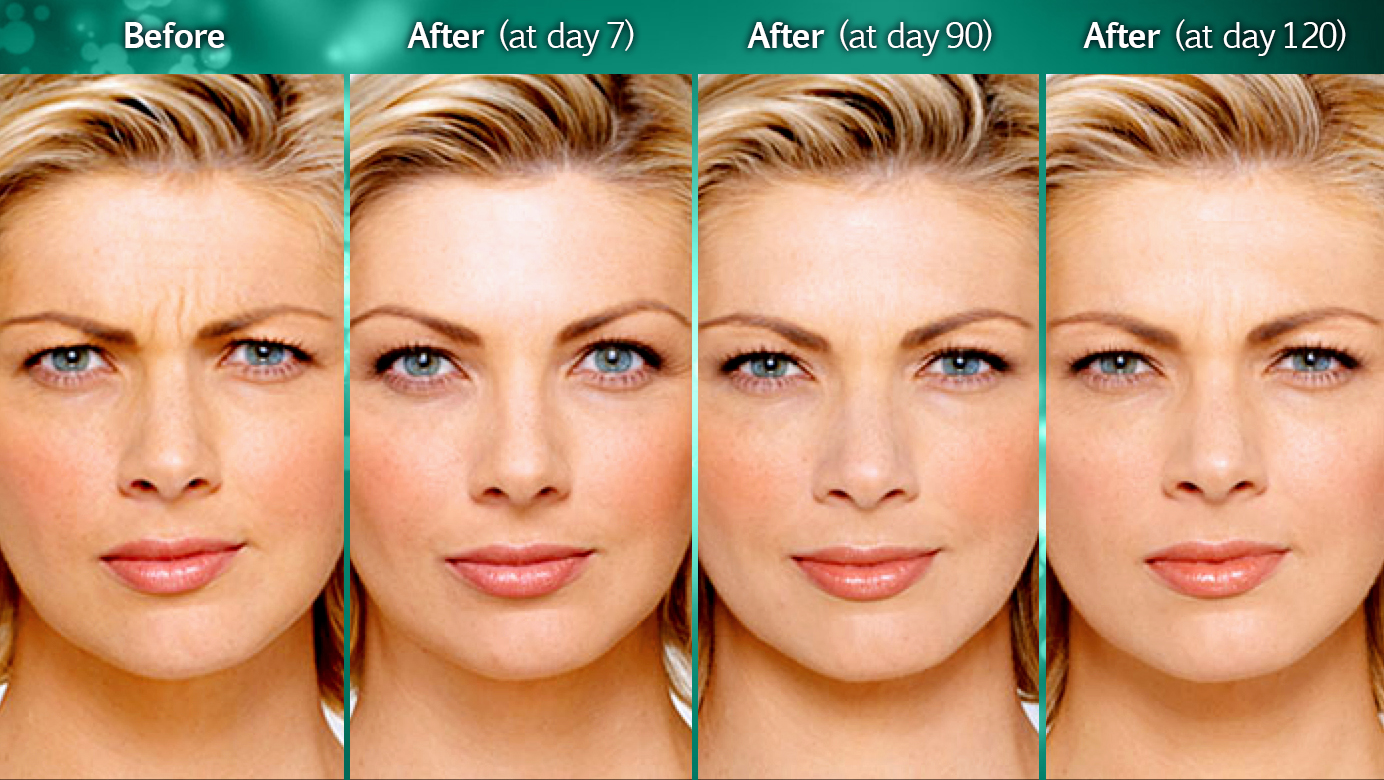
Botox is not a permanent treatment for wrinkles, but it will last for a good three to six months. Muscle functionality will gradually return, causing the wrinkles to reappear again, and patients will need re-treatment. Although the lines and wrinkles will not permanently go away, they will appear less defined over time because the muscles have been trained to relax.
Risks and Side Effects
With every procedure, there are always risks and side effects. The most common side effect of botox is bruising, pain, and swelling in the injection area. Headaches and droopy eyelids are also known side effects. Headaches will often end in 24 to 48 hours, and the drooping eyelid will usually resolve itself within three weeks. Drooping eyelids often occur when the botox is moved around from rubbing, so it is best not to touch the treated area for 12 hours or lay down for one hour after the procedure.