

Chemical Peels
Posted by Beauty Source on Jul 29th 2019
What Are Chemical Peels?
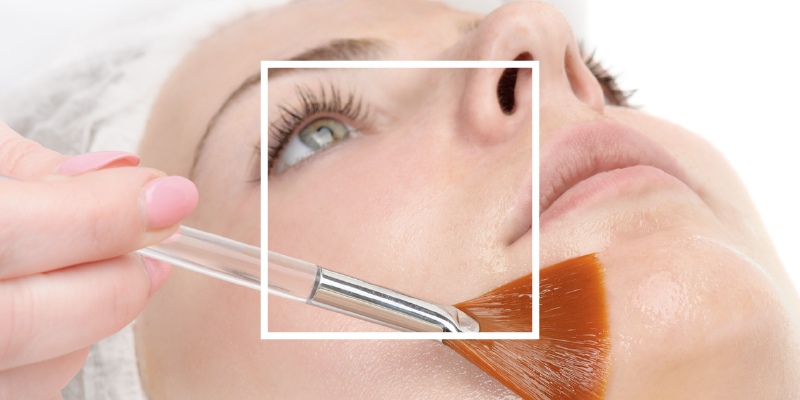
A chemical peel is a procedure where the damaged upper layers of the skin is removed, allowing new healthy skin to grow. It is commonly performed to treat wrinkles and fine lines, sun damage, acne scars, hyperpigmentation, scars, melasma, and uneven skin tones.
Types of Chemical Peels
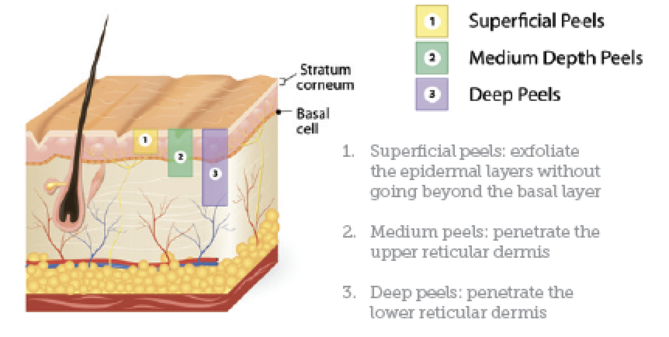
Chemical peels can be done at three different depth levels.
Superficial (light) peel - This level of chemical peel is the least invasive. It removes only the upper layer of the skin. A light chemical peel is ideal for those who have uneven pigmentation, dryness, acne, and wrinkles. Common solutions used include alpha and beta hydroxy acids such as glycolic, lactic, salicylic, and maleic acid. A light chemical peel can be done every one to four weeks.
Medium peel - A medium chemical peel removes the upper layer and part of the middle layer of the skin. This depth of peel targets deeper wrinkles, acne scars, and uneven skin color. Compounds frequently used may include TCA (trichloroacetic acid), Jessner's solution, and glycolic acid. Medium peels can be done every six to twelve months.
Deep peel - This depth of peel removes the upper layer as well as the lower portion of the middle layer. A deep peel corrects more defined wrinkles, scars, or precancerous growth. The solution commonly used is phenol, which is the strongest chemical. Deep peels can be done only once.
Procedure
Chemical peels are an outpatient procedure. Light and medium peels are typically done in the office while deep peels require a surgery center because IV may be administered, heart rate may be monitored, and pain medication may be needed. The professional will first thoroughly cleanse the skin then apply the proper solution depending on the depth of the chemical peel. Most people will experience a burning sensation until the solution is neutralized and removed. A stinging sensation may continue to remain for up to 20 minutes.
After the Procedure
Superficial (light) peel - This peel has little downtime. The skin may appear red, dry, and slightly irritated after the treatment. It usually takes about one to seven days to heal completely.
Medium peel - After treatment, the skin will be red, tight, and swollen. A stinging sensation and some pain may be associated. Over the counter pain medication can be used to relieve some of the discomfort. As the swelling goes down, the skin will start to crust and peel for about seven to 14 days. The skin might darken or become blotchy during the healing process. Redness may continue to last for several months.
Deep peel - With a deep peel, there will be severe redness and swelling along with a burning and throbbing sensation. In this case, eyes may also swell shut. A watertight dressing will be applied, and prescribed pain medication may be needed. Deep chemical peels will result in peeling, crusting, skin redness, and discomfort for several days to weeks. The treated area may remain red up to three months.
Results & Risks
Every person is different, so results will vary. In general, the skin will feel smoother, wrinkles will be less defined, and skin tone will be more even.
Some of the risks associated with a chemical peel are redness, scarring, changes in skin color, and infection. For deep chemical peels where phenol is used, heart, kidney, and liver damage can occur.