

Glycolic Acid - The What, How, Why and Who
Posted by Beauty Source on May 26th 2019
What is Glycolic Acid?
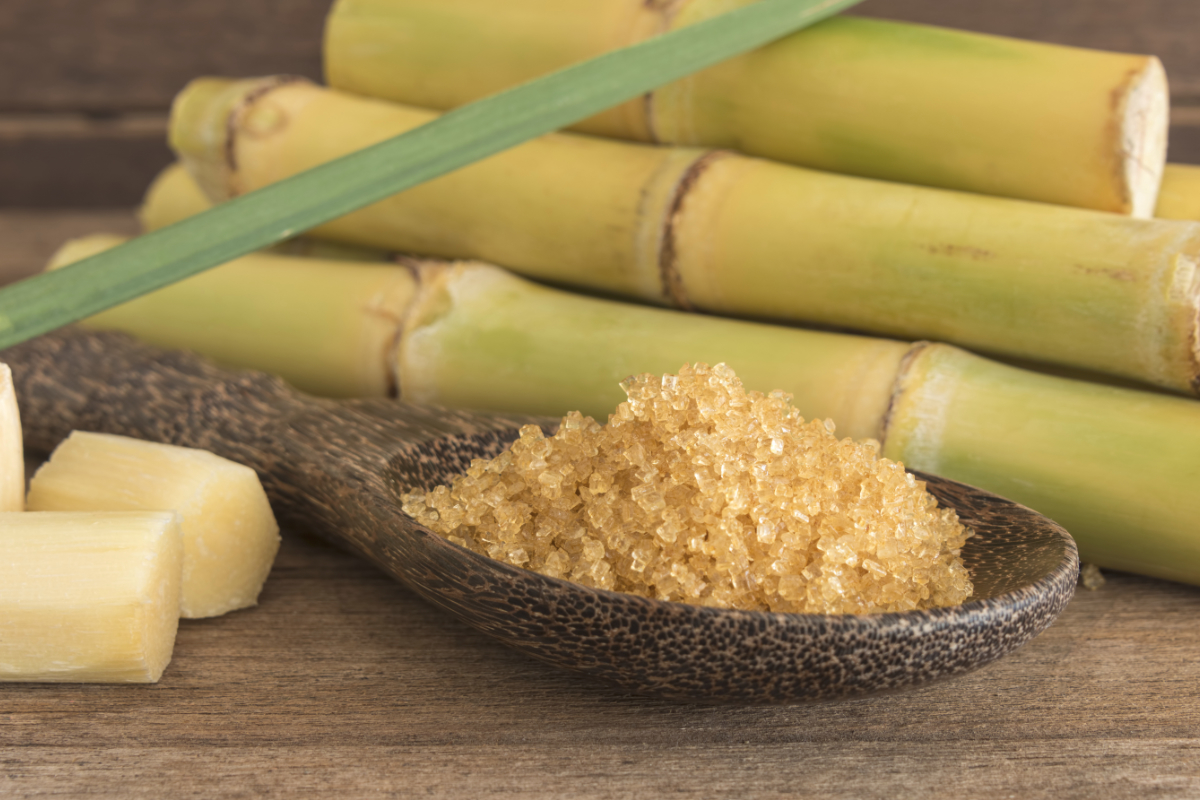
Glycolic acid is a naturally occurring compound derived from cane sugar. In its raw form, glycolic acid is a powder made up of colorless and odorless crystals. It is an alpha hydroxy acid and has the smallest molecule in the group allowing it to penetrate the skin treating various skin concerns effectively.
How Does It Work?
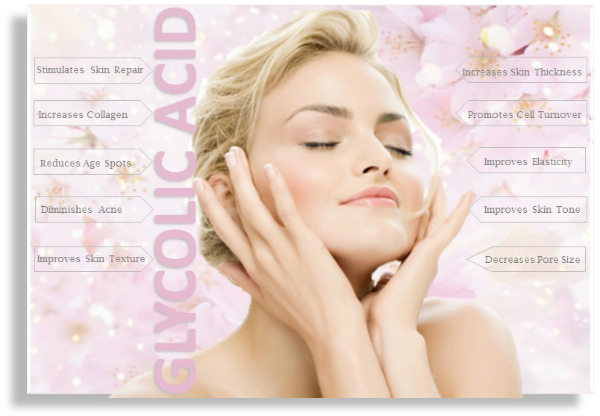
Glycolic acid is commonly known for its exfoliating properties. It works by loosening a glue-like substance that binds dead skin with healthy skin to slough off the top layer. Cellular turnover is improved because it removes dull skin more rapidly than it would naturally on its own. Glycolic acid is also known to stimulate the production of collagen, a protein that gives skin its firmness, plumpness, and elasticity.
Why Use Glycolic Acid?
Acne.Glycolic acid improves acne by removing dead skin cells preventing pores from getting clogged. Not only does it help minimize breakouts, but it can lighten discoloration left from acne and soften the appearance of raised scars.
Hyperpigmentation. Glycolic acid can be found in the forms of face washes, lotions, and serums to remove the upper layer of the skin revealing new skin. It gradually peels away the dark marks for a more uniform complexion. For quicker results, chemical peels with a higher concentration of glycolic acid can be performed by dermatologists over a series of treatment.
Anti-aging. Glycolic acid is effective in softening wrinkles and improving skin tone and texture. It sheds dry, dull skin to reveal healthy skin for a radiant glow. In addition to removing dead skin cells, collagen production is stimulated to firm, plump, and smooth the complexion.
Who Can Use Glycolic Acid?
Almost every skin type except for very sensitive and rosacea-prone skin can use glycolic acid. There are different potency levels of glycolic acid in skincare products. It is ideal to start with a lower percentage of glycolic acid and work your way up to avoid irritation.