

How to Get Rid of Freckles
Posted by Beauty Source on May 30th 2019
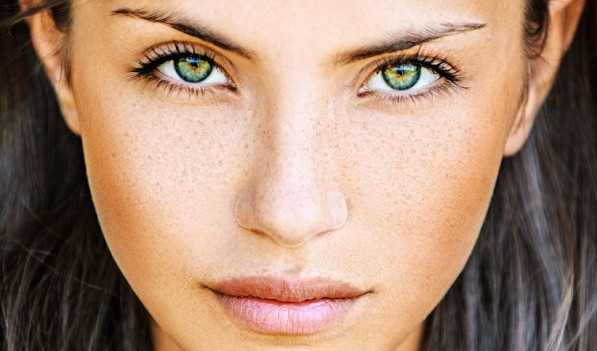
Freckles, are they cute, ugly, or weird? I guess it all depends on who you ask, right? As a person growing up with freckles, I always wanted that flawless skin. I also loved having the summer tan, which we all know is a big no-no if you're avoiding freckles. Of course, genetics played a significant factor in those unwanted freckles too. Let's start with understanding what freckles are and then look at the possible solutions to get rid of them!
What Are Freckles?
Freckles are pigment cells in small brown batches that appear on your skin. They are commonly on the face but also surface on the upper body. Freckles are formed due to the overproduction of melanin. Melanin protects the skin from damaging ultraviolet rays. Certain skin cells produce more melanin than others when exposed to the sun resulting in freckles rather than a uniform tan. Lighter skin tones have less melanin than a person that is darker. Freckles are categorized as ephelides and solar lentigines. Ephelides are genetically inherited freckles that are triggered by sunlight, while solar lentigines are a result of photodamaged skin developed in adulthood. They show up as age spots, sun spots, and freckles.
How to Get Rid of Freckles
Sunscreen. Technically, sunscreen doesn't get rid of freckles, but it will help with preventing new ones from forming. As mentioned above, ephelides are inherent, but the sun is what causes them to surface. Properly protecting the skin with SPF30 or higher sunscreen is an effective preventative measure.
Laser treatment. There are many laser treatments available today to remove freckles. All laser treatments work similarly where pulses of intense light concentrates on the damaged area. These non-invasive procedures do show to be effective but will require multiple treatments. There is also a recovery time associated with laser treatment where you may experience itchiness, swelling, redness, crustiness, peeling, infection, and changes in skin color.
Cryosurgery. This method uses extreme cold in the form of liquid nitrogen to freeze and form a blister in the treated area. It lifts the freckle out of the skin and then falls off. You should note that not all spots respond to this procedure.
Topical creams. There are two common types of topical treatment, fading cream, also known as bleaching cream, and retinoids. Fading creams usually contain the ingredient hydroquinone and kojic acid. Hydroquinone minimizes the production and increases the breakdown of melanin to lighten freckles over a period of time. Retinoids lighten pigmentation by improving cellular turnover revealing unblemished skin.
Chemical peel. A chemical peel uses a solution commonly in the form of acid to remove the damaged upper layer of the skin to allow new skin to regenerate. This procedure usually requires multiple treatments to reach desired results. There is also a recovery period with chemical peels. Depending on how deep the chemical peel treatment is, you may experience redness, swelling, or tightness.
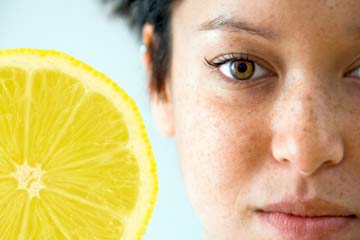
Natural remedies. For those interested in safe and natural alternatives, the following items may help lighten freckles.
Lemon. The juice from lemon has bleaching properties from the citric acid to fade dark spots.
Buttermilk, sour cream, and yogurt. They contain lactic acid, which is known to prohibit tyrosinase in the skin cells. Tyrosinase is an enzyme that produces the melanin that causes skin pigmentation.
Honey. It contains enzymes that naturally lightens the skin.
Onions. Juice from onions contains sulfur, which acts as an exfoliant to fade away freckles.
With all the options to get rid of freckles, it is always best to consult with your dermatologist to select the best option for you. Good luck on your journey to achieving that flawless complexion someone can only dream of!