

The Role of Antioxidants and Free Radicals
Posted by Beauty Source on Jun 12th 2019
You hear that antioxidants are good for you all the time, but do you really know what antioxidants are and how they’re good for you? Antioxidants and free radicals go hand in hand and comprehending it can get quite complicated. Let’s break it down to understand the benefits of antioxidants and how they relate to free radicals.
What are Antioxidants and Free Radicals?
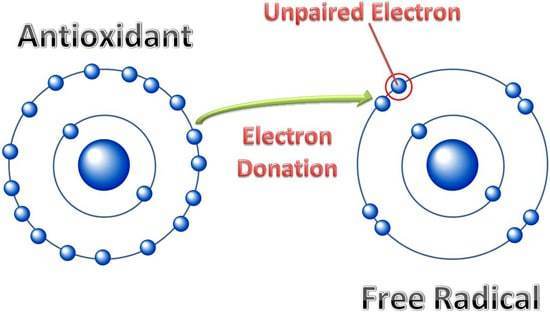
Antioxidants are substances that protects or slow down damage to cells caused by free radicals. Waste substances that are produced by cells when it processes food and reacts to the environment are called free radicals. When the body is unable to eliminate free radicals properly, oxidative stress occurs, which can harm healthy cells and body function. Free radicals occur when an atom becomes unpaired from an electron. Atoms like to be in pairs, so when it splits, it becomes unstable and seeks out other electrons. That process causes damage to cells, proteins, and DNA if there aren’t antioxidants to take the place of the missing election. Free radicals may also be associated with aging, cancer, heart disease, and diabetes. Although it sounds like free radicals are bad for you, the body needs a healthy balance of antioxidants and free radicals.
Where Do Antioxidants Come From?
Antioxidants are an essential part of living. Our bodies even produce it, known as endogenous antioxidants. The food we eat plays a significant role in where we get our antioxidants from as well, and they’re called exogenous antioxidants because it comes from outside the body. Antioxidants can be found in meat and fish products but are most abundant in plants and berries. Common antioxidants can be found in the following vitamins.
- Vitamin A - Dairy, eggs, and liver.
- Vitamin C - Most fruits and vegetables.
- Vitamin E - Nuts and seeds, sunflower and other vegetable oils, and green, leafy vegetables.
- Beta-carotene - Brightly colored fruits and vegetables, such as carrots, peas, spinach, and mangoes.
- Lycopene - Pink and red fruits and vegetables, including tomatoes and watermelon.
- Selenium - Rice, corn, wheat, and other whole grains, as well as nuts, eggs, cheese, and legumes.
Different Types of Antioxidants
There are five different types of antioxidants. Each has different benefits and are not interchangeable with one another.
- Alpha Lipoic Acid - It has been known to reduce inflammation, support healthy blood sugar levels, and improve nerve function.
- Astaxanthin - This antioxidant claims to provide the main source of health benefits, including cancer, skin, heart health, joint pain, endurance, and male fertility.
- Lutein - It is known to play an important role in protecting from eye disease, including age-related macular degeneration (AMD), cataracts, and retinitis pigmentosa.
- Pycnogenol - It has been associated with treating chronic conditions such as asthma and allergies. There may be benefits for the heart, artery, and eye damage caused by diabetes as well.
- Resveratrol - It is commonly known for its anti-aging benefits but is also linked to fighting against heart disease, cancer, Alzheimer’s, and diabetes.
As you can see, antioxidants have many health benefits, so consuming a proper diet is important to fight against free radicals that are constantly attacking the body.